The flue penetration through the roof combines the requirements for the hot part, adjacent materials, and water. The installation should correspond to the specific flue system. Simply choosing a high-temperature-resistant product does not yet describe the entire penetration.
Collect system and partition data
Record the appliance, flue, roof, and hidden materials in the cross-section. Check the required components, supports, and clearances. Do not select a single general gap dimension based on the appearance of the pipe enclosure.
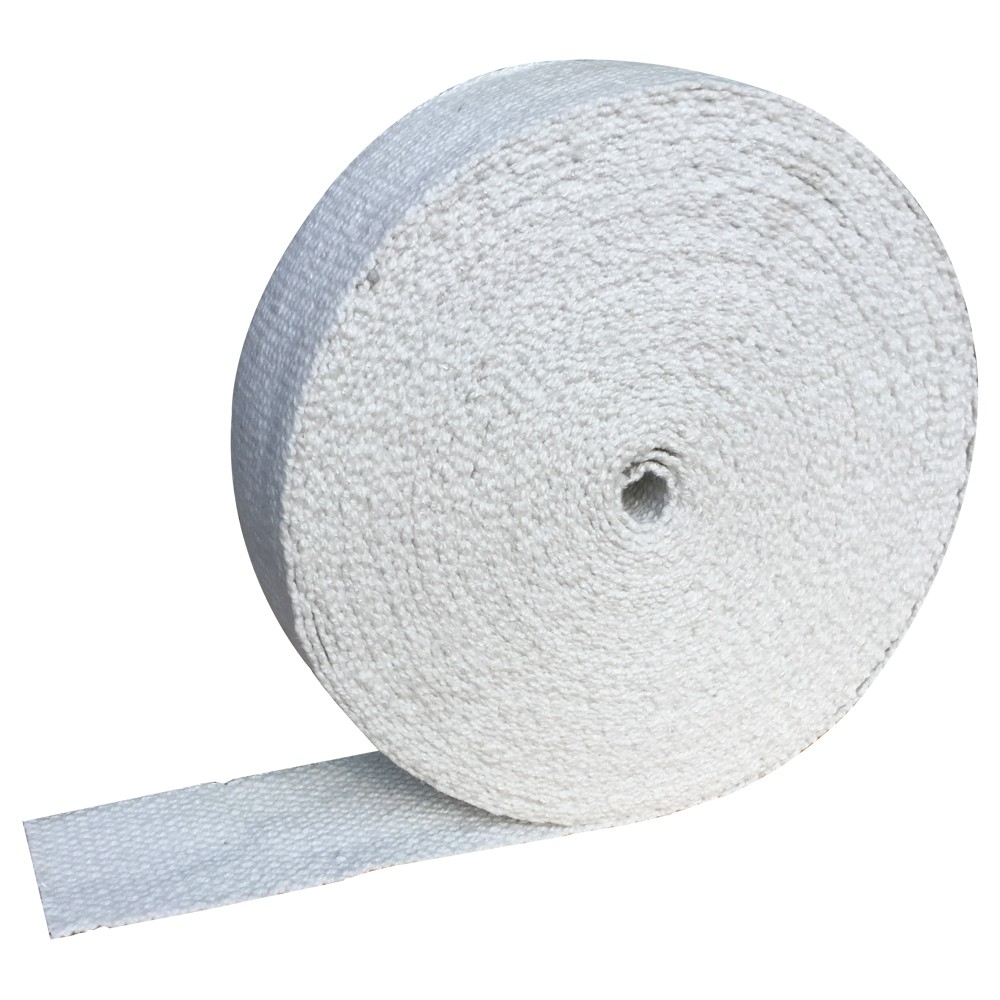
Vitcas ceramic fibre tape has described insulating and sealing applications. However, wrapping the compatible surface of a flue pipe is not the same as creating a system roof penetration. The geometry and function of the detail require separate verification.
Separate the properties of sealants
Heat Resistant Silicone is used for specific flexible connections resistant to temperature. It does not automatically replace components required by the flue-system manufacturer. Also assess the water path and compliance of both sides of the joint.
Fire Retardant Silicone has other described fire protection tasks. Its parameters should be referenced to the correct system and documentation, instead of assigning the fire-resistance duration to any portion of material in the opening. The product name does not confirm every chimney penetration.
Maintain the possibility of inspection
Before covering, check access to connections and required inspection points. Record photos of the supports, layers, and applied components. The roofing material and the way it is finished should remain recognizable later.
After changing the covering or construction, return to the penetration requirements. Additional sealing must not accidentally alter the intended performance of the components. Documentation of the specific system is the basis for implementation; the Vitcas product catalogue helps to select compatible materials for specific tasks, but does not replace this documentation.